Accessories
Essential Flying Tips for a Smooth Journey
The Great Thing Which You Wants With The Simple Labor Of Trouble Seems To Be With No Haters
Published By Amilya
The Great Thing Which You Wants With The Simple Labor Of Trouble Seems To Be With No Haters
Published By Amilya
Flying can be exciting, but it also comes with its share of stress, from long lines and delayed flights to security checks and jet lag. Whether you are a first-time flyer or an experienced traveler, having a strategy for your journey can make all the difference. These essential flying tips for a smooth journey cover everything from pre-flight preparation to in-flight comfort, helping you save time, reduce stress, and arrive refreshed at your destination.
Plan Ahead to Avoid Last-Minute Stress
Good preparation starts long before you arrive at the
airport. Planning ahead can save money, time, and hassle while ensuring youâre
fully ready for the journey.
Book flights early Airfares are usually cheaper 1â3 months
in advance for domestic flights and 3â6 months for international routes.
Check baggage policies Airlines vary in luggage allowances.
Avoid surprise fees by knowing weight limits and dimensions for checked and
carry-on bags.
Print or download travel documents Keep your boarding pass,
passport, visa, and hotel reservations organized. Digital copies on your phone
or cloud storage serve as backups.
Select your seat wisely Window seats are ideal for sleeping
or views, aisle seats for easy access to restrooms. Use seat maps to pick the
best location.
Research airport procedures Knowing security rules, customs
requirements, and check-in counter locations saves time.
Packing Smart for Stress-Free Travel
Packing efficiently ensures you have everything you need
while avoiding overpacking and extra fees. Smart packing also makes security
checks smoother.
Carry-on essentials Include travel documents, medications,
electronics, a light sweater, snacks, and a refillable water bottle.
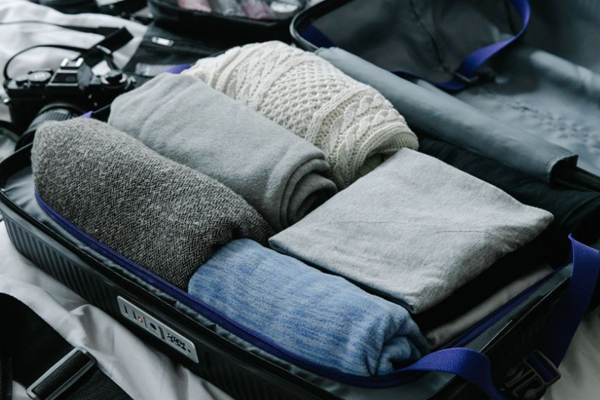
Roll clothes instead of folding: Saves space
and reduces wrinkles.
Use packing cubes Organize clothing, accessories, and
electronics for easy access and luggage efficiency.
Check prohibited items Avoid packing liquids over 100ml or
sharp objects in carry-on luggage.
Pack a small day bag Useful for airport essentials,
in-flight comfort, and sightseeing upon arrival.
Arriving at the Airport Early
Allowing enough time at the airport is critical to a smooth
journey. Early arrival reduces stress and avoids last-minute rushing.
Domestic flights Arrive 1.5â2 hours before departure.
International flights Arrive 3 hours prior to give time for
check-in, security, and immigration.
Monitor airport updates Check flight status online or
through airline apps to avoid surprises.
Use fast-track options Priority security lanes, online
check-in, or airport lounges can save time.
Navigating Security and Boarding
Airport security can be stressful, but preparation and
awareness help the process go smoothly.
Organize your carry-on Keep liquids in a clear 1-liter bag,
laptops in an accessible compartment, and remove belts, jackets, and shoes if
required.
Follow TSA or local rules Each airport has specific
regulations knowing them beforehand reduces delays.
Stay calm during screening Rushing can lead to forgotten
items or unnecessary alarms.
Board early if needed Families, frequent flyers, or
passengers needing extra time should consider early boarding options.
In-Flight Comfort and Health
Long or short flights can take a toll on your body.
Prioritizing comfort and health improves your experience and reduces jet lag.
Stay hydrated Airplane cabins are dry. Drink water
regularly and avoid excessive alcohol or caffeine.
Dress comfortably Loose clothing, layers, and compression
socks help circulation and comfort.
Move around Stand, stretch, or walk the aisle during long
flights to prevent stiffness and reduce the risk of deep vein thrombosis (DVT).
Bring entertainment Books, podcasts, or movies can help
pass the time. Download content before departure.
Noise and sleep aids Earplugs, noise-canceling headphones,
and eye masks improve rest.
Handling Jet Lag and Time Zone Changes
Jet lag can impact your first days at a new destination,
but preparation and in-flight habits help minimize its effects.
Adjust sleep schedules gradually Shift bedtime closer to
your destinationâs time a few days before departure.
Stay hydrated Dehydration worsens fatigue.
Avoid heavy meals in-flight Opt for lighter, balanced
snacks.
Expose yourself to daylight Sunlight helps your body adjust
faster upon arrival.
Move around on arrival Gentle exercise encourages
circulation and reduces tiredness.
Managing Airport Transfers and Connections
Many journeys involve connecting flights or transfers.
Being prepared keeps connections stress-free.
Know your terminal and gate Check airport maps ahead of
time and follow real-time flight updates.
Allow buffer time Minimum 60â90 minutes for domestic
connections, 2â3 hours for international flights.
Keep essentials handy Travel documents, boarding passes,
and identification should be easily accessible for transfers.
Understand luggage transfer rules Check if your checked
baggage automatically moves to the next flight or needs rechecking.
Tips for Flying with Children or Seniors
Traveling with children,
seniors, or those with special needs requires additional planning for comfort
and convenience.
Book seats strategically
Bulkhead rows, aisle seats, or extra-legroom options improve comfort.
Pack entertainment and snacks Toys, tablets, or
games keep children engaged; easy-to-eat snacks prevent
hunger-related stress.
Medical needs Carry medications in
hand luggage and notify the airline of any assistance required.
Plan bathroom breaks: Each
child about restroom routines and bring travel wipes.
Handling Delays and Flight Disruptions
Even with careful planning, delays or cancellations can
occur. Being prepared helps you stay calm and proactive.
Sign up for airline notifications Get alerts for delays,
gate changes, or cancellations.
Know your rights Familiarize yourself with airline policies
regarding refunds, rebooking, and compensation.
Keep essentials accessible Snacks, medications, and
important documents should remain in your carry-on.
Have a backup plan Know alternative flights, accommodation options, or travel insurance coverage.
BEAUTY
With Website, Save Big
Only Belongs To You



Affiliate Disclaimer
We are affiliated with "Expedia", "ASAP Tickets", "Travel Supermarket", and "Trip.com" and others and may earn a commission if you book through our links. All logos and images belong to their respective owners. Prices and promotions are provided by the travel providers.