Accessories
Travel Photography Tips for Stunning Photos
The Great Thing Which You Wants With The Simple Labor Of Trouble Seems To Be With No Haters
Published By Amilya
The Great Thing Which You Wants With The Simple Labor Of Trouble Seems To Be With No Haters
Published By Amilya
Traveling offers countless moments worth capturing, from breathtaking landscapes to vibrant street scenes and candid local interactions. But great travel photos are more than just pointing a camera and clicking they rely on lighting, composition, perspective, and storytelling to truly convey the essence of a place. A well-composed image can transport viewers to the destination, evoke emotions, and preserve memories long after the trip ends.
Whether youâre a beginner or an experienced traveler,
mastering the art of travel photography can elevate your trips and make your
memories unforgettable. This guide to travel photography tips for stunning
photos shares practical advice, creative techniques, and simple strategies that
anyone can apply. From framing landscapes and capturing people to using natural
light effectively, these tips help you take photos that tell stories, showcase
your adventures, and stand out in any photo album or social feed.
Why Travel Photography Is More Than Just
Pictures
Travel photography is about more than simply taking
pictures itâs a way to preserve memories, capture the culture of a place, and
convey the emotions of a trip. Each destination has its own story, from
bustling markets and serene landscapes to vibrant festivals and quiet streets.
By photographing thoughtfully, travelers can freeze these moments in time and
share the experiences with others, creating a deeper connection to the places
they visit.
Well-composed travel photos allow you to document more than
sights they capture atmosphere, movement, and human stories. They also give
travelers the chance to explore their creative side, experimenting with
lighting, angles, and perspective to tell a story through images. Whether for
personal keepsakes, blogs, or social media, photography transforms ordinary
trips into visually rich narratives that can be revisited again and again.
Essential Gear for Travel Photography
Capturing stunning travel photos starts with the right
gear, but you donât need the most expensive equipment to take
professional-looking shots. Choosing tools that suit your style, destination,
and level of experience can make a huge difference in the quality of your
images. The right gear helps you handle different lighting conditions, capture
motion, and preserve memories without missing a moment.
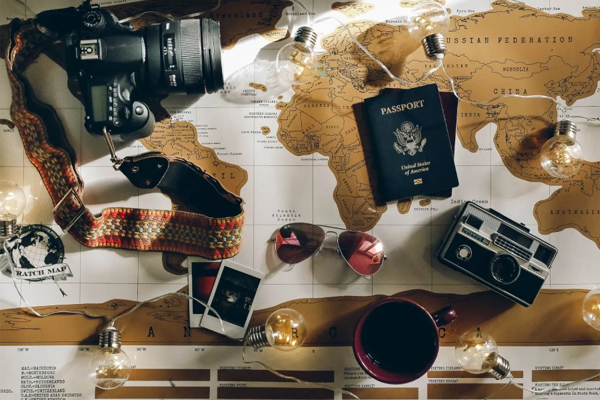
Essential Travel Photography Gear:
Cameras DSLRs, mirrorless cameras,
or high-end smartphones can all deliver excellent results depending on your
preferences and budget
Lenses Wide-angle
lenses are great for landscapes, portrait lenses for people, and zoom lenses
for wildlife or distant subjects
Tripods and stabilizers Essential for
sharp photos, long exposures, and smooth video footage
Extra batteries and memory cards Never
risk running out of power or storage while on the go
Optional accessories Filters,
remote triggers, or lens cleaning kits can enhance creativity and convenience
When packing your gear, consider the type of travel and
activities youâll be doing. Lightweight and versatile equipment is ideal for
hiking, city tours, or international trips. With the right combination of
tools, you can confidently capture landscapes, street scenes, wildlife, and
cultural moments, ensuring your travel photography is both professional and
practical. Proper preparation allows you to focus on creativity and
storytelling rather than worrying about missing shots.
 Composition Tips for Stunning Photos
Composition is one of the most important aspects of travel
photography. How you frame and structure a shot can turn a simple scene into a
visually compelling story. Good composition draws the viewerâs eye, emphasizes
your subject, and adds depth and emotion to your images. Even with basic
equipment, mastering composition techniques can make your photos look
professional and memorable.
Key Composition Tips:
Rule of thirds and leading lines Position your subject
along intersecting lines or use natural lines like roads, rivers, or fences to
guide the viewer eye
Foreground, middle ground, and background Include multiple
layers in your frame to add depth and make landscapes or cityscapes feel
three-dimensional
Experiment with symmetry and patterns Look for repeating
shapes, reflections, or balanced scenes to create visually striking images
Include people or local elements Adding humans, animals, or
cultural objects can tell a story and provide scale, making your photos more
engaging
Avoid cluttered or distracting backgrounds Simplify your
frame to keep focus on the main subject and enhance overall clarity
By applying these composition techniques, you can transform
ordinary scenes into captivating photographs that not only capture a place but
also the feeling and story behind it. Thoughtful framing ensures your travel
photos are both aesthetically pleasing and emotionally powerful.
Mastering Light and Timing
Light is the single most important element in photography.
How you use it can transform an ordinary scene into a breathtaking image or, if
ignored, make even the most beautiful landscapes look flat. Understanding
natural light, timing, and how it interacts with your subject is essential for
stunning travel photos. The right light enhances colors, textures, and mood,
bringing your images to life.
Key Tips for Light and Timing:
Golden hour and blue hour:
Capture soft, warm tones during sunrise or sunset, or the cool, moody light
just before sunrise or after sunset
Avoid harsh midday sunlight: Bright
overhead sun can create unflattering shadows; use it selectively for dramatic
contrasts or shadows
Use natural light indoors: Position
subjects near windows or open doors to create soft, flattering light for
portraits or food photography
Experiment with silhouettes and reflections Backlighting
can produce striking silhouettes, and reflections in water, glass, or metal add
creative depth
By mastering light and timing, you can elevate your travel
photography from snapshots to visually compelling stories. Observing how light
changes throughout the day and planning your shots accordingly ensures your
images capture the atmosphere, emotion, and beauty of each moment, making every
photo truly unforgettable.
Composition Tips for Stunning Photos
Composition is one of the most important aspects of travel
photography. How you frame and structure a shot can turn a simple scene into a
visually compelling story. Good composition draws the viewerâs eye, emphasizes
your subject, and adds depth and emotion to your images. Even with basic
equipment, mastering composition techniques can make your photos look
professional and memorable.
Key Composition Tips:
Rule of thirds and leading lines Position your subject
along intersecting lines or use natural lines like roads, rivers, or fences to
guide the viewer eye
Foreground, middle ground, and background Include multiple
layers in your frame to add depth and make landscapes or cityscapes feel
three-dimensional
Experiment with symmetry and patterns Look for repeating
shapes, reflections, or balanced scenes to create visually striking images
Include people or local elements Adding humans, animals, or
cultural objects can tell a story and provide scale, making your photos more
engaging
Avoid cluttered or distracting backgrounds Simplify your
frame to keep focus on the main subject and enhance overall clarity
By applying these composition techniques, you can transform
ordinary scenes into captivating photographs that not only capture a place but
also the feeling and story behind it. Thoughtful framing ensures your travel
photos are both aesthetically pleasing and emotionally powerful.
Capturing Local Culture & People
Authenticity is what makes travel photos memorable.
Including local people, traditions, and everyday life in your shots brings a
destination to life in a way landscapes alone cannot. Capturing cultural
moments like street markets, festivals, or artisans at work adds context,
emotion, and story to your images, making them resonate with viewers.
When photographing people, itâs important to be respectful
and mindful. Ask for permission when appropriate, and observe local customs to
ensure your presence is welcome. Candid shots often tell the most compelling
stories, capturing genuine expressions and interactions. Including people in
your compositions also adds scale, making landscapes or cityscapes feel more
relatable and dynamic.
Tips for Capturing Local Culture & People:
Observe daily routines and cultural activities for
authentic moments
Include people interacting with their environment to tell a
story
Use natural light for flattering and realistic portraits
Respect privacy and local customs, asking permission when
needed
By thoughtfully capturing culture and people, your travel
photos go beyond mere images they become a visual record of experiences,
traditions, and emotions that convey the heart of each destination.
 Editing &
Post-Processing Tips
Editing is an essential part of travel photography that can
elevate your images, highlight details, and enhance colors, but itâs important
not to overdo it. Thoughtful post-processing allows you to bring out the best
in your photos while maintaining a natural and authentic look that reflects the
real experience of your travels.
Key Editing Tips:
Adjust brightness, contrast, and saturation Enhance colors
and lighting to make your photos pop while keeping them realistic
Crop for composition and remove distractions Refine
framing, eliminate unwanted elements, and focus attention on the subject
Use presets for consistency Apply similar edits across an
album for a cohesive and polished look
Avoid overfilters Over-editing can make images look
artificial; subtlety is key
Organize photos Use folders or Lightroom catalogs to keep
images sorted by location, date, or theme for easy access and future editing
By combining careful shooting with smart editing, your
travel photography can capture the beauty, emotion, and essence of every
destination. Post-processing is not about changing reality itâs about enhancing
what youâve already captured, ensuring your photos tell the story of your
journey in the most compelling way.
Stunning travel photos are the result of a thoughtful
combination of the right gear, solid techniques, careful attention to light,
and a creative eye. Whether capturing landscapes, street scenes, or cultural
moments, understanding composition, timing, and storytelling transforms
ordinary shots into memorable images. Travel photography is not just about
equipment it about seeing the world differently, observing details, and
conveying experiences through your lens.
BEAUTY
With Website, Save Big
Only Belongs To You


Affiliate Disclaimer
We are affiliated with "Expedia", "ASAP Tickets", "Travel Supermarket", and "Trip.com" and others and may earn a commission if you book through our links. All logos and images belong to their respective owners. Prices and promotions are provided by the travel providers.